





 3450 OLD MILTON PKWY #110 ALPHARETTA, GA 30005
  678-562-1555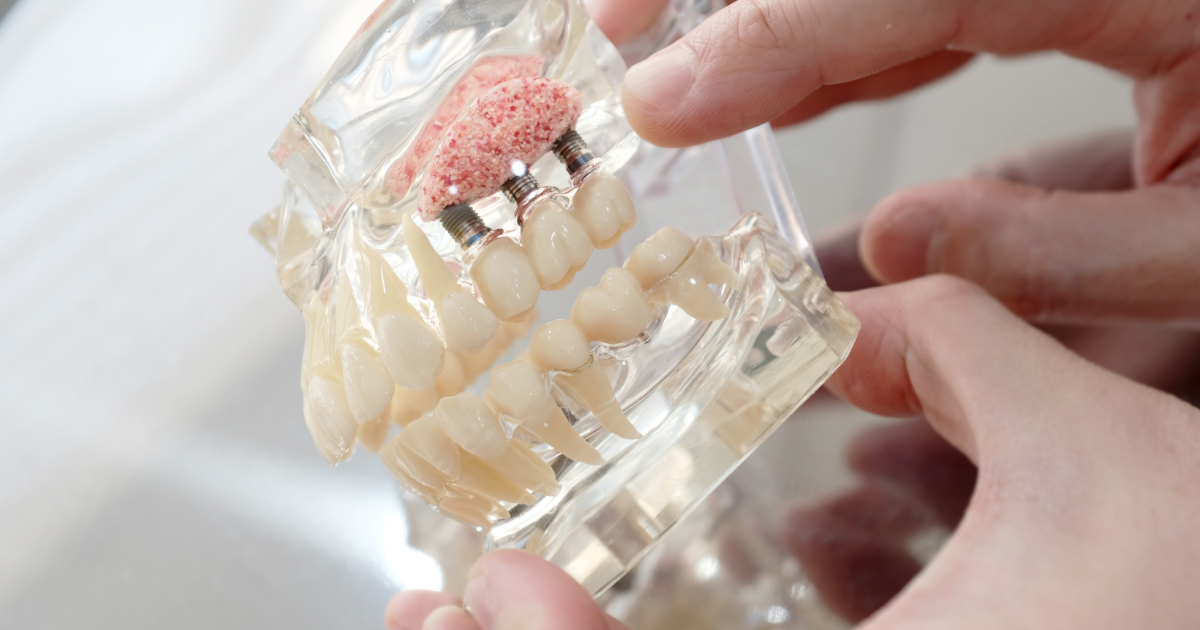
Dental implants have fundamentally changed how dentists approach missing teeth. They can look natural, feel stable, and may help restore functions such as chewing and speaking more comfortably. Before you make a decision, understanding the potential drawbacks—what we call the disadvantages of dental implants—is absolutely vital. This empowers you to make a comfortable, fully informed choice that suits your health, your lifestyle, and your finances.
At Ace Family Dental, transparency is non-negotiable. We want every patient to be completely clear on the process. Here, we delve into the genuine potential downsides of implants. This helps you weigh all the risks and rewards before taking the next step.
The Seven Real Challenges Implants Present
- The Procedure Requires Major Surgery.
This point is non-negotiable: getting dental implants involves actual oral surgery. The surgeon must place a strong titanium post deep into the jawbone. This post is the necessary, permanent anchor for your new replacement tooth.
The procedure is generally considered safe and routine when performed by experienced professionals. Nonetheless, it is still surgery. You must plan for typical post-operative recovery: swelling, temporary pain, and localized soreness. For many people, the sheer thought of surgery is intimidating.
This invasiveness stands in stark contrast to simpler solutions like traditional bridges or removable dentures.
- The Healing Period Is Extensive and Mandatory.
Implants are simply not a quick solution. They require serious patience. After placing the post, the most critical phase begins: the jawbone must fuse completely with the metal. This biological process, known technically as osseointegration, demands a minimum of several months.
The minimum wait time ranges from three to six months. If you needed preparatory work, like bone grafting, this timeline extends further. Only after the implant is fully anchored can the final custom crown be permanently installed. Patients who need their tooth replaced immediately often find this extended waiting period to be a significant practical disadvantage.
- High Initial Cost Represents a Major Investment.
The cost is often the largest factor. Dental implants demand a significantly higher initial price than almost any other method of tooth replacement. The total expense is complex: it includes initial imaging, the surgical fees, the cost of the specialized post, the abutment, and the fabrication of the final crown.
This investment is substantial. While implants can offer long-term durability and often last many years with proper care—the initial financial commitment must be factored as a major, high-value investment in your long-term health, not a minor, disposable expense.
- Eligibility Is Not Universal
Implants are not for everyone. The treatment absolutely relies on one thing: you must have sufficient, healthy bone density in your jaw. The bone must successfully anchor the post under daily stress. If you have significant bone loss, you might need bone grafting. That adds complexity, time, and another surgical cost.
Furthermore, medical issues like uncontrolled diabetes or lifestyle factors such as heavy smoking seriously compromise the bone’s ability to heal and fuse with the implant. A thorough pre-surgical medical and dental evaluation is mandatory for every single person interested in implants.
- Potential Complications Must Be Acknowledged.
Success rates are generally high when procedures are performed by experienced professionals, though individual outcomes can vary. However, complications are a reality. Risks include acute infection at the site. The implant might fail to integrate. Nerve irritation can occur. Upper jaw implants carry the specific, though rare, risk of sinus complications.Careful planning and attentive post-operative care can help minimize these risks. Patients must understand these potential issues upfront. It ensures expectations are realistic and encourages careful adherence to the surgeon’s instructions.
- Lifelong Maintenance is Mandatory
Implants are durable. They won’t decay easily. But they are emphatically not maintenance-free. You must commit to daily, meticulous oral hygiene: specialized brushing and focused flossing around the implant base are critical.Regular professional cleanings and check-ups are non-negotiable. Ignoring this routine inevitably leads to peri-implant disease, which causes bone loss and ultimately leads to failure. Maintaining proper oral hygiene is important for the long-term success of implants.
- Lifestyle Adjustments Are Required.
The healing phase mandates strict temporary food restrictions. You must avoid anything hard, sticky, or crunchy that could stress the healing site. Even after full integration, habits must change. Never chew ice. Never use your teeth to open anything. These small changes protect the life of the implant.This necessary practical adjustment to your lifestyle is often overlooked but is part of the long-term commitment required for success.
Making Your Final Choice
Every patient is unique. No solution is right for everyone. Acknowledging the full scope of the disadvantages of dental implants empowers you to make an informed choice that suits your overall health, budget, and desired lifestyle.
Ace Family Dental provides clear, honest guidance. We create personalized treatment plans, explain potential risks, and support you through every stage of your care.
Ready to explore your options beyond just the benefits? Contact Ace Family Dental in Alpharetta